
The Effects of Moisture on Home Structures
Moisture damage is a common problem that can significantly affect various parts of your home, especially ceilings. When moisture seeps into the ceiling, it weakens the structural integrity and leads to unsightly stains and potential mold growth. Understanding how moisture damage occurs and its impact on your home can help you take the necessary steps to prevent it. This knowledge is crucial as untreated moisture issues can lead to costly repairs and health risks over time.
Signs Your Ceiling May Need Attention
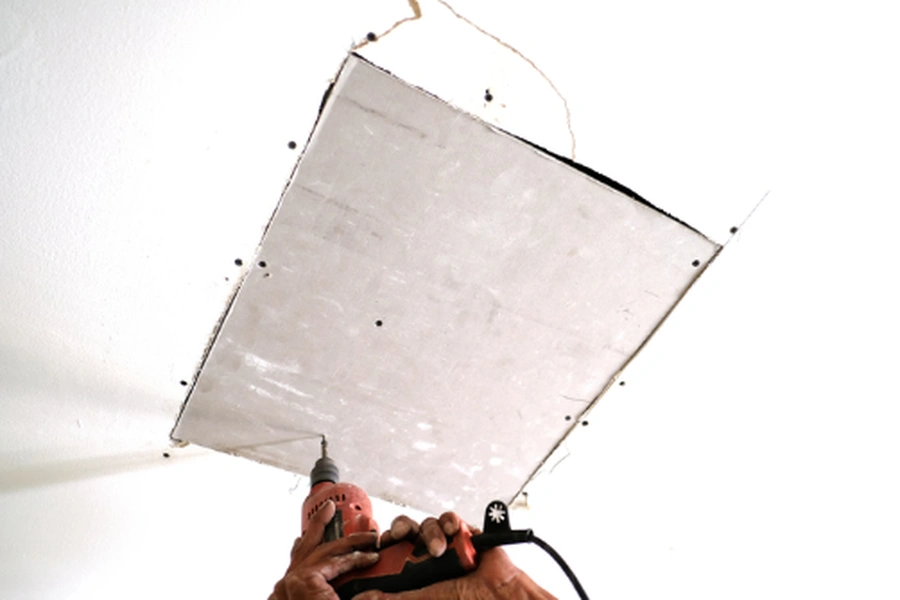
If you’re noticing water stains or discoloration on your ceiling, it’s likely a sign of moisture damage. Other indicators include peeling paint and a musty odor in the room. These signs suggest that water has penetrated the ceiling’s surface, which may require professional attention such as ceiling repair. Addressing these early signs can prevent more extensive damage down the line.
Immediate Consequences of Ignoring Damage
Ignoring moisture-related issues in your ceiling can lead to severe consequences. Over time, the presence of excess moisture can cause materials like plaster and drywall to weaken and collapse. This creates safety hazards and necessitates immediate ceiling repair. Moreover, ongoing moisture exposure fosters mold growth, affecting indoor air quality and posing health risks to occupants.
Why Professional Services Matter
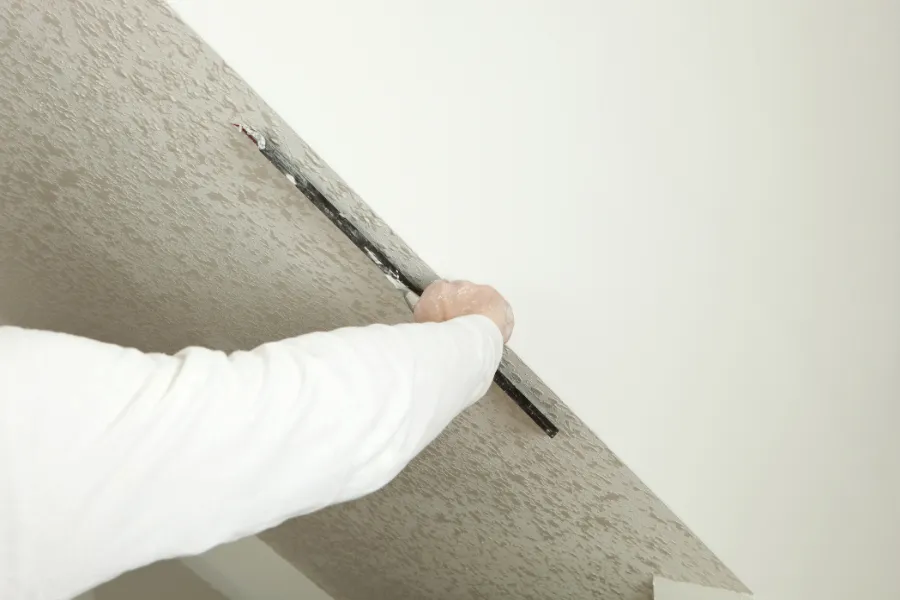
Addressing moisture damage promptly is vital for maintaining your home’s safety and value. Professional services offer expertise in identifying the source of moisture and ensuring complete repair solutions. Skilled technicians use specialized tools and techniques to assess damage extent and perform effective repairs. By opting for expert assistance, you ensure long-term protection against recurring issues.
Strategies to Prevent Moisture Buildup
Preventing moisture buildup starts with regular maintenance and inspections. Here are some strategies you might consider:
- Ensure proper roof drainage by keeping gutters clear of debris
- Seal windows and doors properly to prevent leaks
- Use dehumidifiers in areas prone to humidity
Understanding Cost Implications
The cost of addressing moisture damage varies based on severity and required repairs. Simple fixes like patching small leaks are generally affordable, whereas extensive damages requiring structural repair can be costly. Investing in preventive measures often saves money in the long run by avoiding major repairs. It’s important to evaluate both short-term costs and long-term savings when planning for moisture management.
Best Practices for Long-Term Protection
To safeguard your home from future moisture issues, adopt these best practices:
- Conduct regular inspections for leaks or dampness
- Maintain adequate ventilation throughout your home
- Choose moisture-resistant materials for construction projects
Conclusion: Proactive Measures Ensure Safety
By understanding how moisture damage affects ceilings, homeowners can take proactive steps to protect their property. Regular maintenance, timely repairs, and professional guidance play critical roles in preventing structural damage and health risks associated with mold growth. For comprehensive services tailored to your needs, contact RWR 504 Construction at (317) 723-0312. Our team is dedicated to serving clients in Indianapolis, IN, ensuring safe and durable home environments.